Data & BI • 8 min read
How dashboards help businesses make better decisions
Many teams collect data but do not use it. Dashboards turn scattered records into clear insights for sales, operations, projects, and management decisions.
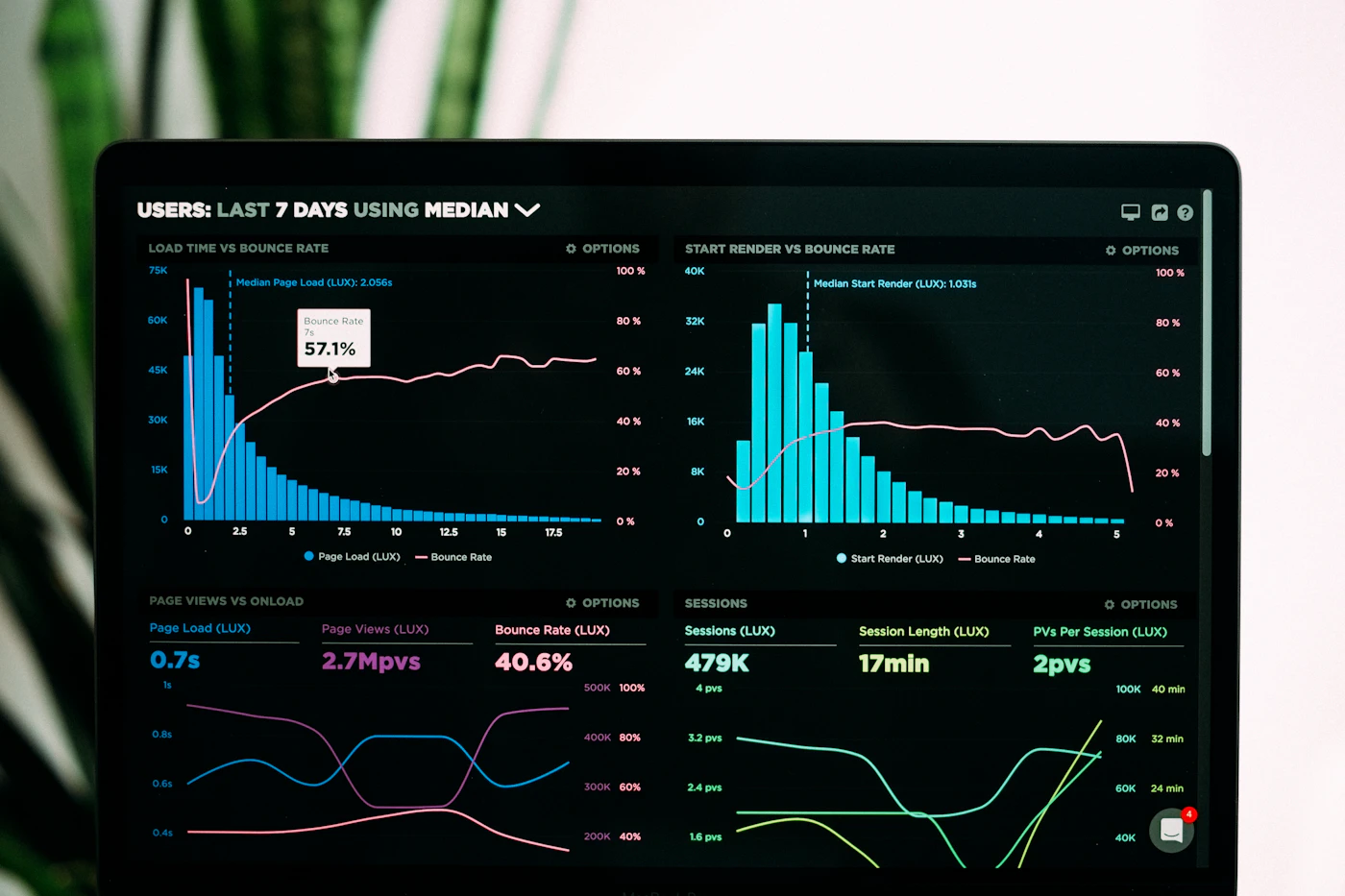
Data should help you see what is happening
Businesses and organizations often collect data every day: sales records, customer enquiries, stock movement, attendance, project indicators, expenses, and feedback. The challenge is that the data may be scattered across notebooks, Excel files, WhatsApp messages, and different staff devices.
A dashboard brings important information into one clear view. Instead of searching through many files, decision-makers can see trends, totals, gaps, and priorities quickly.
Dashboards reduce guesswork
Without clear reporting, many decisions are based on memory or assumptions. A dashboard can show which service gets the most enquiries, which month had the highest sales, which project indicators are behind target, or which branch needs attention.
- Sales dashboards can show revenue, product performance, and customer trends.
- Operations dashboards can show tasks, delays, inventory, and workload.
- NGO dashboards can show activities, beneficiaries, indicators, and reporting progress.
- Management dashboards can summarize key numbers for faster decisions.
Good dashboards start with clean data
A dashboard cannot fix every data problem by itself. The first step is to clean the records, define what should be tracked, and decide what questions the dashboard should answer. Once the structure is clear, the visuals become more useful.
LFV can help teams review existing data, clean and organize records, create practical dashboards, and train users on how to update reports consistently.
Dashboards work best when they answer real questions
Before building a dashboard, the team should define the decisions it wants to support. A beautiful chart is not useful if it does not answer a practical question. The most useful dashboards focus on the numbers that management actually uses.
For example, a sales team may need to know which products are performing, while an NGO may need to know which indicators are behind target. A school may need enrolment and payment trends, while an operations team may need task completion and inventory movement.
- What do we need to know every week or month?
- Which numbers show whether we are improving or falling behind?
- Who will update the data, and how often?
- Who will use the dashboard to make decisions?
What LFV can do with your existing records
Many teams already have useful data, but it is not organized well enough to support decisions. LFV can review existing spreadsheets, clean the structure, identify the most important indicators, and create a dashboard that management can actually use.
The goal is not to overwhelm the team with complicated reporting. The goal is to make the most important information easier to see, understand, and act on.